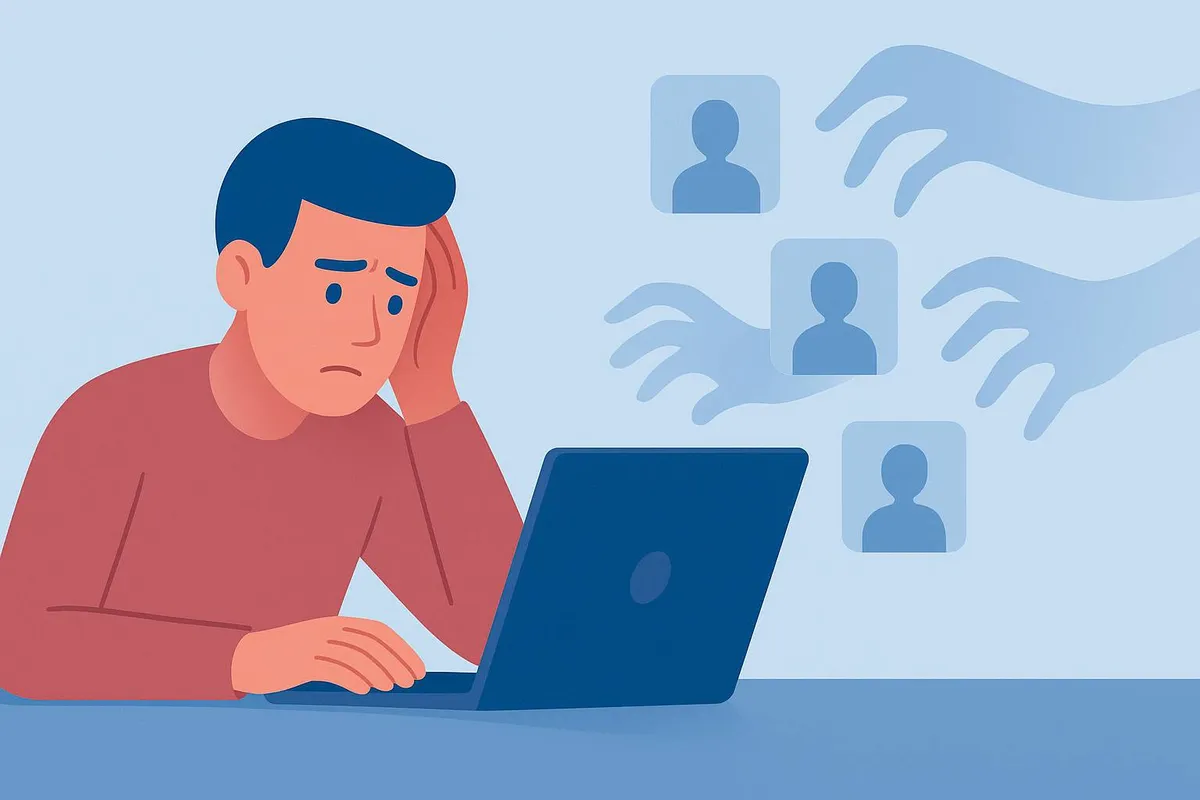
Public Wi-Fi networks in cafes, airports, hotels, and transit systems are used by millions of people daily for tasks that involve sensitive information: checking email, logging in to accounts, banking, and sending work files. Most people assume the risk is low because the network appears legitimate and the connection works normally. The risk is real, and understanding the specific mechanisms makes it easier to know when caution is warranted and when it is not.
What this covers:
Why public Wi-Fi is riskier than home or mobile networks
The specific attack types used against public network users
Practical steps to stay safe
What you can safely do on public Wi-Fi and what to avoid
Why Public Wi-Fi Is Riskier Than Other Networks
A home or corporate Wi-Fi network has controlled access: only people with the password can join, and the organization running it has some accountability. A public Wi-Fi network has neither. Anyone in range can connect, and the person operating the network has no particular incentive to protect users or even verify that they are who they claim to be.
Three specific properties of public Wi-Fi networks create risk.
Traffic is often unencrypted at the network level. When you connect to a WPA2-protected home network, the traffic between your device and the router is encrypted. Many public networks use open authentication (no password) or weak shared passwords, which means the wireless traffic is unencrypted between your device and the access point. Anyone with a wireless adapter in monitor mode can capture traffic from other devices on the same network.
Anyone can join. There is no vetting of who connects to a public network. A person sitting nearby with a laptop and the right tools can passively observe traffic from other devices on the network without doing anything visible.
Network isolation is often disabled or misconfigured. On a properly configured public network, devices should not be able to communicate directly with each other. On poorly configured networks, a device on the same network can reach other devices, potentially exposing shared folders, open services, or device metadata.
Specific Attacks on Public Wi-Fi
Passive sniffing. On an unencrypted network, traffic can be captured without the target being aware of it. Any data sent over unencrypted protocols (plain HTTP rather than HTTPS) is readable. This includes login forms on HTTP sites, session cookies, and any other data in plaintext.
Rogue access points. An attacker sets up a Wi-Fi access point with a name that appears legitimate: "CoffeeShop_WiFi," "Airport_Guest," "Hotel_Free." Devices that automatically reconnect to known network names may connect to the attacker's network without any interaction from the user. The attacker then routes traffic through their own system, able to observe or modify it. This is sometimes called an "evil twin" attack.
Man-in-the-middle attacks. The attacker positions themselves between the target and the internet, either through a rogue access point or through techniques like ARP spoofing on a shared network. Traffic passes through the attacker's system, which can observe or modify the content. HTTPS significantly limits what the attacker can do, but non-HTTPS traffic is fully readable and modifiable.
Session hijacking. When you log in to a site over HTTPS, the site issues a session cookie that identifies you as authenticated. If that cookie is transmitted over HTTP at any point (some sites mix HTTP and HTTPS), an attacker who captured the cookie can use it to impersonate you to the site without knowing your password. This is less common since most sites now enforce HTTPS consistently, but it remains a risk on older or poorly configured services.
How to Stay Safe on Public Wi-Fi
Use a VPN. A VPN encrypts all traffic between your device and the VPN server, which prevents sniffing and limits the damage from a rogue access point or man-in-the-middle position. Even if someone intercepts the traffic, they see only encrypted data. This is the most comprehensive protection available for public network use. For an explanation of how VPNs work and how to choose one, the VPN explainer guide covers the details.
Check for HTTPS. Most legitimate sites use HTTPS by default. The padlock icon in the browser address bar and https:// in the URL confirm the connection is encrypted between your browser and the site. Avoid entering passwords or payment details on any site without HTTPS. If a site you regularly use is showing HTTP, that is worth noting and potentially contacting the site about.
Use your phone's mobile hotspot for sensitive tasks. A mobile data connection is private and encrypted at the carrier level. For banking, work email, or any task involving sensitive credentials, switching to a personal hotspot rather than using a public network removes most of the risk. The convenience cost is minor and the security improvement is significant.
Disable automatic network connection. Most devices have a setting to automatically join known or open networks. Turning this off prevents your device from connecting to a rogue access point that mimics a network you have used before without any visible prompt.
Turn off file sharing and network discovery. On Windows, enabling "public" network mode when prompted disables sharing features. On macOS, check System Settings under Sharing to ensure file sharing, screen sharing, and AirDrop are not broadcasting to everyone. These settings that are useful on trusted networks become exposure points on public ones.
Log out and forget the network. After using a public network, log out of sensitive accounts and instruct your device to forget the network. This prevents automatic reconnection on future visits and removes the saved network name from the pool of networks your device will auto-join.
What You Can Safely Do on Public Wi-Fi
Not everything you do on a public network carries equal risk. Reading a news site, watching a publicly accessible video, or looking at anything you would not mind being visible carries minimal practical risk even without a VPN.
The risk is concentrated in activities that involve credentials or sensitive data: logging in to accounts, banking, sending work communications, and any form involving personal or payment information. These are the activities worth routing through a VPN or mobile hotspot.
HTTPS protects the content of your communications with a site. It does not prevent an observer from seeing which domains you are connecting to or how long you spend on each site. If that metadata concerns you (for example, researching a medical condition or consulting a legal resource), a VPN addresses it.
Key Takeaways
Public Wi-Fi networks often lack the encryption and access controls of home or corporate networks. Traffic can be observed by others on the same network.
Rogue access points mimic legitimate network names to intercept traffic. Turning off automatic network connection prevents your device from joining them without your awareness.
A VPN encrypts all traffic leaving your device, which is the most effective single protection for public network use.
HTTPS protects the content of your communication with a site. Use it as a baseline check before entering any credentials or sensitive information.
For banking, work email, and other sensitive tasks, a personal mobile hotspot is safer than any public network.
Disable file sharing and network discovery when on public networks to prevent other devices from reaching yours.
Conclusion
Public Wi-Fi is a genuine convenience and the risks, while real, are manageable with a few habits. The most protective combination is a VPN for any session involving logins or sensitive data, and a personal hotspot for banking or anything you would not want observed. HTTPS as a baseline check and auto-connect disabled round out the practical toolkit.
The goal is not to avoid public Wi-Fi entirely but to understand which activities carry meaningful risk on an untrusted network and to have a default response for those situations.
Using public Wi-Fi regularly and have a setup that works well for you? Share it in the comments.